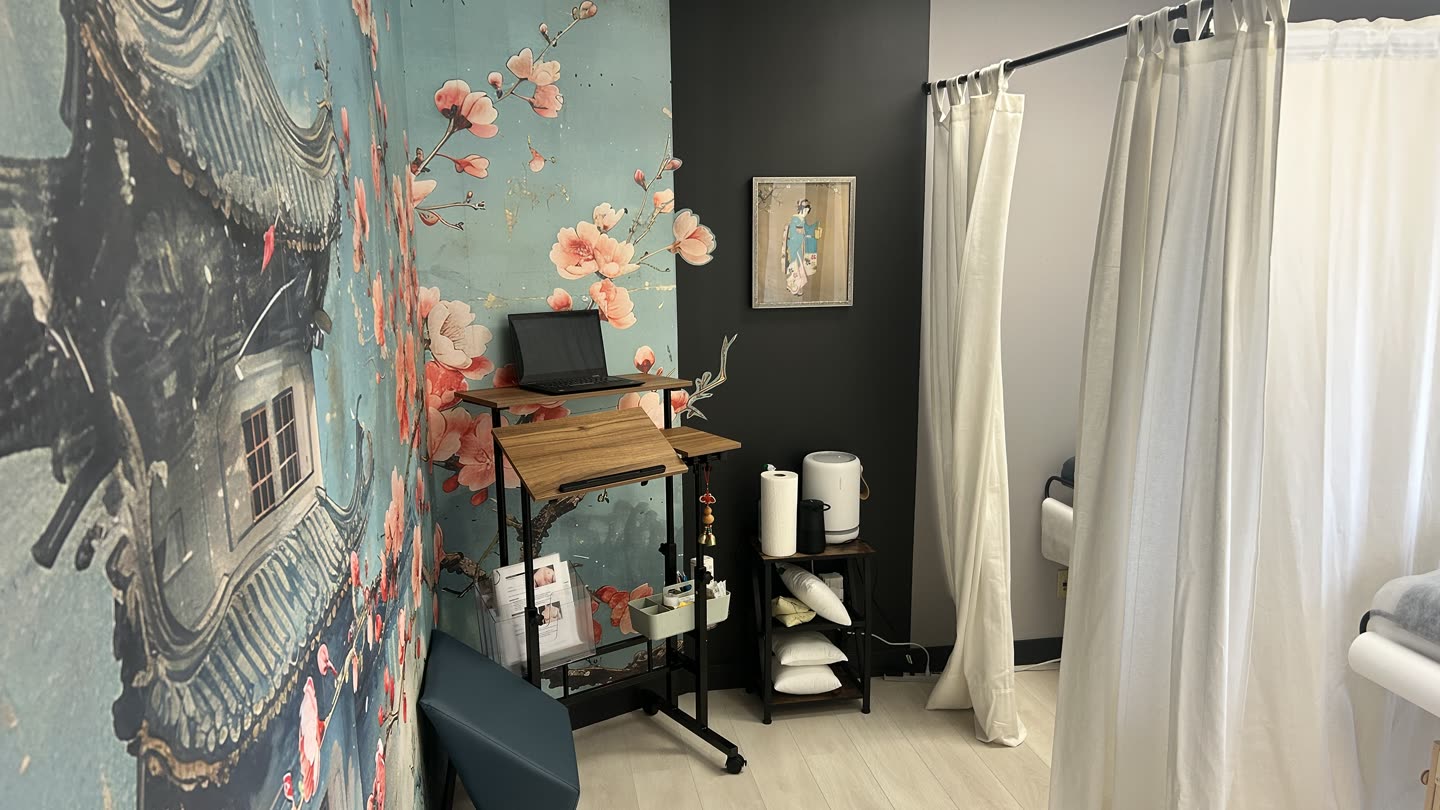
If you've had pain for a while, you've probably tried a few things already: painkillers, rest, maybe physio or massage. Then someone asks "have you tried acupuncture?" and you wonder if it's worth your time and money. It's one of the questions I hear most at the clinic. Here is how I answer it, and how I find out, with you, whether acupuncture is the right choice for your pain.
First, we find out what kind of pain it is
When a new patient comes in with pain, I don't start with needles. I start with questions, because the answers decide the treatment.
- When did it start? Suddenly, after a lift or a fall, or slowly over months?
- Is it there every day? Or does it come and go?
- What does it feel like? Stabbing, burning, dull, tight?
- How strong is it? And how much is it changing your life: work, sleep, your workouts, time with your family?
- Is it in one spot, or does it travel?
- What makes it worse, and what makes it better? Is it worse when you move, or does it ease with rest?
These questions help me tell different kinds of pain apart. For example:
- Pain with numbness or tingling tells me a nerve is probably involved, as with sciatica. That's a different treatment from a sore muscle.
- Local pain with tightness, or a small stabbing pain in one spot, usually points to the muscle, like a stiff neck.
- Pain that comes back every month with your period is a different story again. I explain it in is period pain normal?
Each of these needs a different acupuncture treatment. That's why two people who both say "my back hurts" can get quite different plans. At the first visit I also take your pulse the TCM way, which is part of how I understand the pattern behind your pain.
How I know if acupuncture is working for you: the rate of response
At the start of treatment we do something I call the rate of response: three treatments within 7 days. This shows me how fast, or how slowly, your body responds.
Acupuncture usually works fairly quickly. In those first three treatments I expect to see some change: less pain, more movement, better sleep, or pain that comes back later than before.
If nothing changes at all and the pain is exactly the same after three treatments, that tells me something too. It can mean there is a bigger structural problem that acupuncture alone won't fix. In that case I'll tell you honestly and send you to your doctor, usually with a suggestion to ask about an MRI. I'd rather tell you that after one week than have you keep coming for months hoping.
When to see a doctor first
Some pain needs a doctor before acupuncture, or alongside it. Please see your family doctor or go to emergency if you have:
- Loss of bladder or bowel control, or numbness between your legs
- Leg or arm weakness that is getting worse
- Pain after a serious fall or accident
- Pain with fever, unexplained weight loss, or a history of cancer
If you already have a diagnosis, acupuncture works alongside your doctor's and physiotherapist's care, not instead of it.
The most common mistake: waiting, then doing too little
The biggest mistake I see is that people neglect their pain. They think pain that has been there for a while will go away on its own. Sometimes it does, but long-standing pain usually doesn't.
The second mistake is doing too little treatment. Someone comes for one treatment and expects the pain to be gone. Acupuncture doesn't work like that. It has a cumulative effect: each treatment builds on the one before.
That's why, at the beginning, we need more treatments in a shorter time, for example three per week for the first two weeks. That's how we bring the pain down, keep it going down, and stop it from coming back. That gives the body a chance to heal. As the pain settles, we space the visits out.
An example: shoulder pain that stopped her workouts
One of our patients came in with shoulder pain that had been there for three months. It hurt every time she did overhead work at the gym: overhead presses, or exercises with dumbbells above her head. She couldn't use the weights she used to, and the longer it went on, the more frustrated she got.
Here's what we did:
- A proper assessment, to understand what was actually going on in the shoulder.
- A clear explanation: what treatment she needed and how long it would take.
- A one-month care plan: three treatments a week for the first two weeks, then two a week for the last two weeks.
- Changes to her workouts, so she could keep training without making the shoulder worse.
After that month she could do overhead exercises with 10 lb dumbbells, without pain. We now see her less often, and the plan is to get her back to the same weights she lifted before the injury. Her workouts matter to her, and that's our goal too.
Every shoulder is different, and results vary from person to person. What this story shows is how we work: assess properly, explain clearly, treat often enough at the start, and adjust your activity while you heal. You can read more on our shoulder pain acupuncture page.
What I wish every person with pain understood
Your body can heal. You are not broken.
What most people are missing is a proper explanation of what is going on and why. When you clearly understand your pain, two things happen:
- You come regularly, because you know why it matters.
- You start to believe you can get better, and that belief matters.
But healing needs the right conditions. That's why treatment is only part of what we do. We also give you advice on what to do at home, and posture tips, because most people spend their working day sitting. All of it works toward the same goal: giving your body what it needs to heal. I wrote more about this in the self-healing body: treating back pain with acupuncture.
If you'd like to hear from people who have been in your shoes, you can read our Google reviews.
How to find out if acupuncture is right for you
The simplest way is a first visit. It includes an examination with me ($110, about 60 minutes), with pulse assessment, followed by your first acupuncture treatment ($120). Plan on about 1 hour and 15 minutes. At the end I'll tell you honestly whether I think acupuncture is a good fit, what a plan would look like, and what it costs, before you commit to anything.
Many extended health plans cover acupuncture by a Registered TCM Practitioner, and we bill Sun Life, Manulife, Canada Life, Green Shield and Desjardins directly.
Aculosophy Acupuncture Clinic in Mississauga is at Unit 229, 1550 Enterprise Road, near Hwy 401 and Dixie Road, with free parking. Every visit is with me, Dalibor Covic, R.TCMP. Book a first visit or call 647-342-2281.
Common questions about acupuncture for pain
How fast does acupuncture work for pain?
Acupuncture usually works fairly quickly. At Aculosophy we start with three treatments within 7 days and expect to see some change in that time: less pain, more movement, better sleep or pain that comes back later than before. If nothing changes at all, Dalibor tells you honestly and suggests you see your doctor.
How many acupuncture treatments will I need for pain?
It depends on the pain and how long you have had it. Acupuncture has a cumulative effect, so at the start we usually recommend more treatments in a shorter time, for example three a week for the first two weeks, then fewer as the pain settles. You get an estimate after the first visit.
When should I see a doctor instead of trying acupuncture?
See your doctor or go to emergency for loss of bladder or bowel control, numbness between the legs, weakness that is getting worse, pain after a serious fall or accident, or pain with fever, unexplained weight loss or a history of cancer. If three treatments in a week bring no change at all, Dalibor will also refer you to your doctor.
This page is general information, not medical advice. Acupuncture works alongside the care you get from your family doctor. If your symptoms are new, severe or getting worse, see your doctor first.